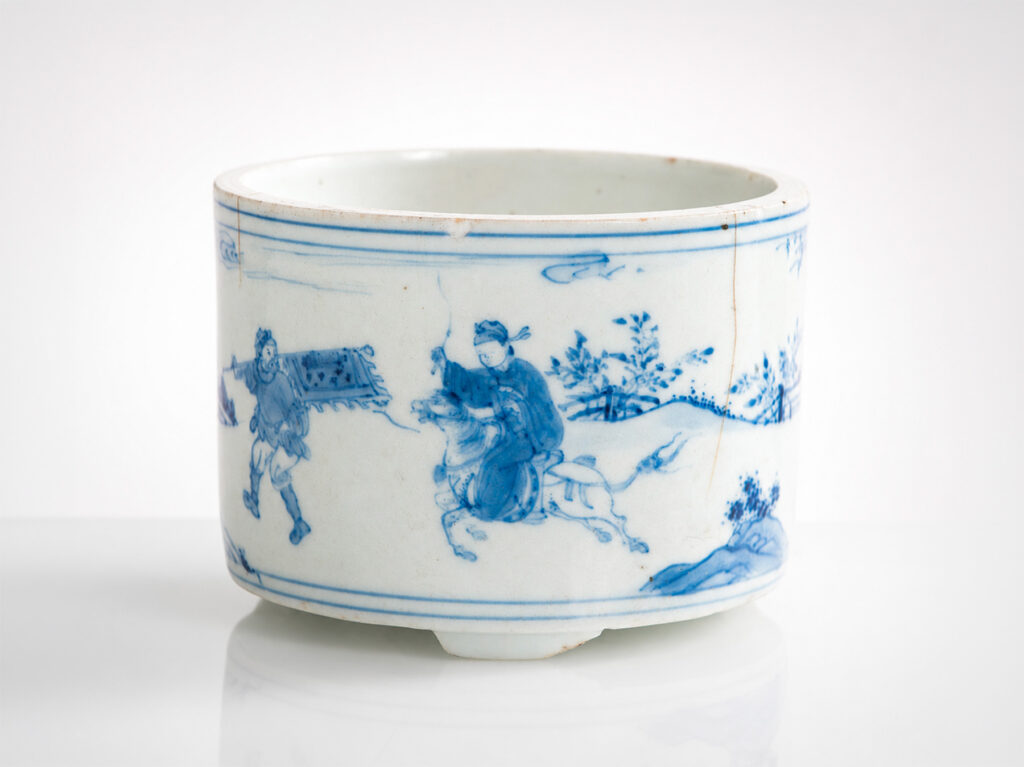
Blue and White Porcelain Incense Burner, China, Qing Dynasty, 18th Century. Hammer price : € 8.060,00
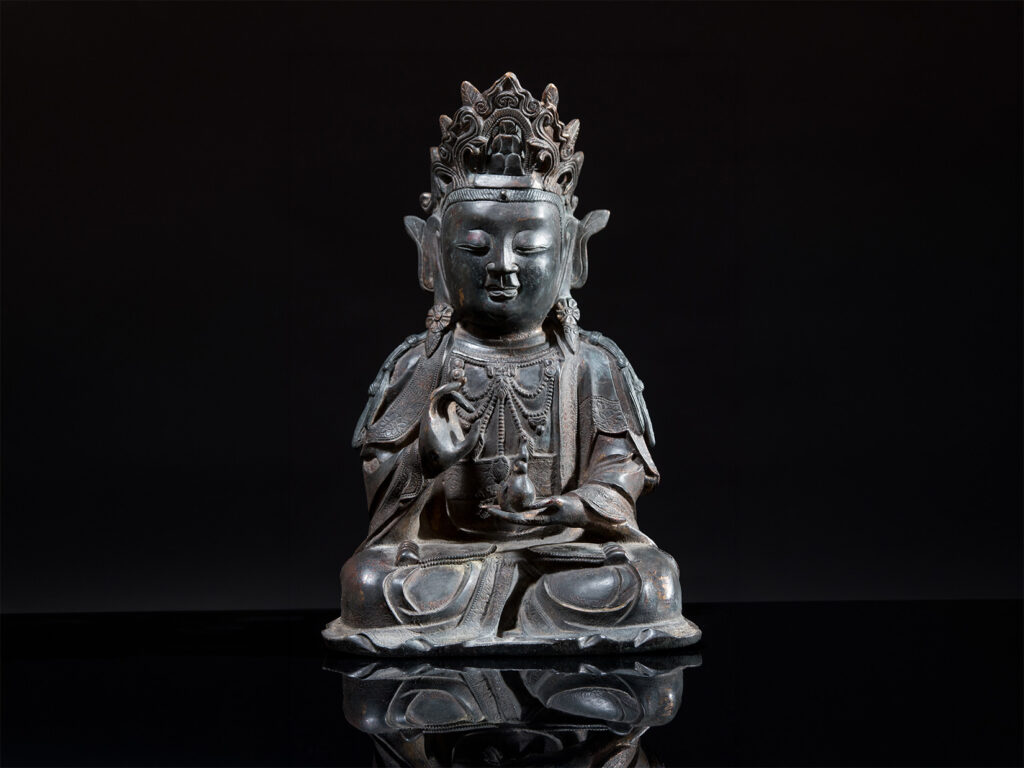
Sitting figure of Guanyin in bronze, China, 16th century. Hammer price : € 4.216,00
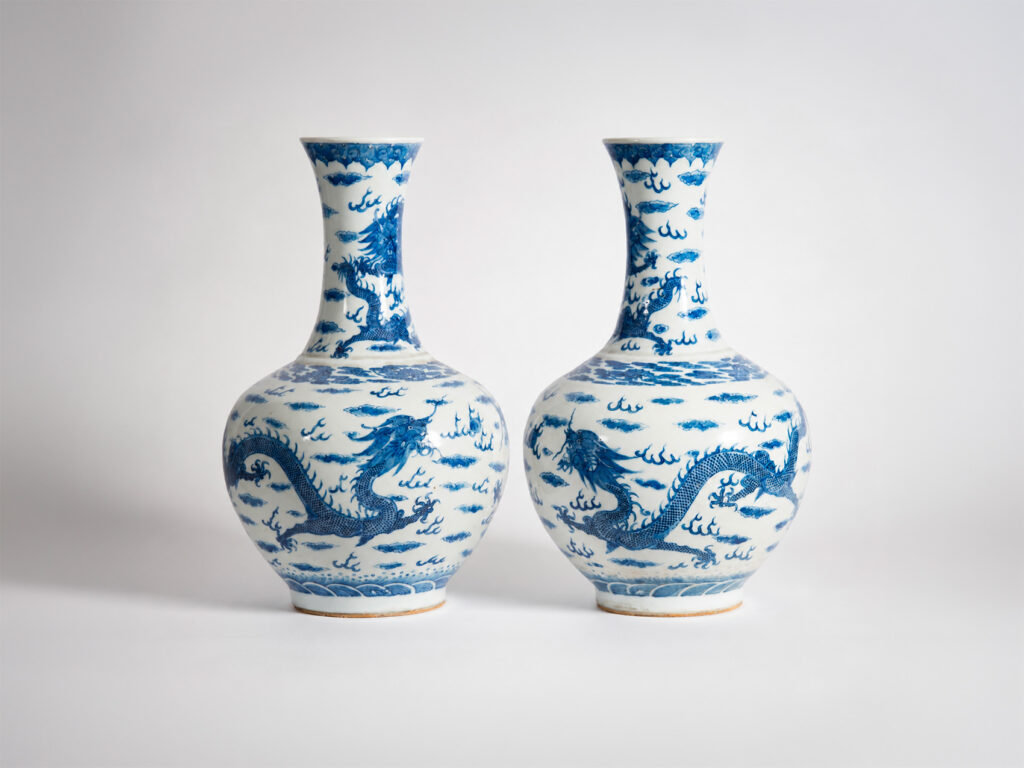
Pair of white-blue vases from the Qing period. Hammer price : € 3.936,00
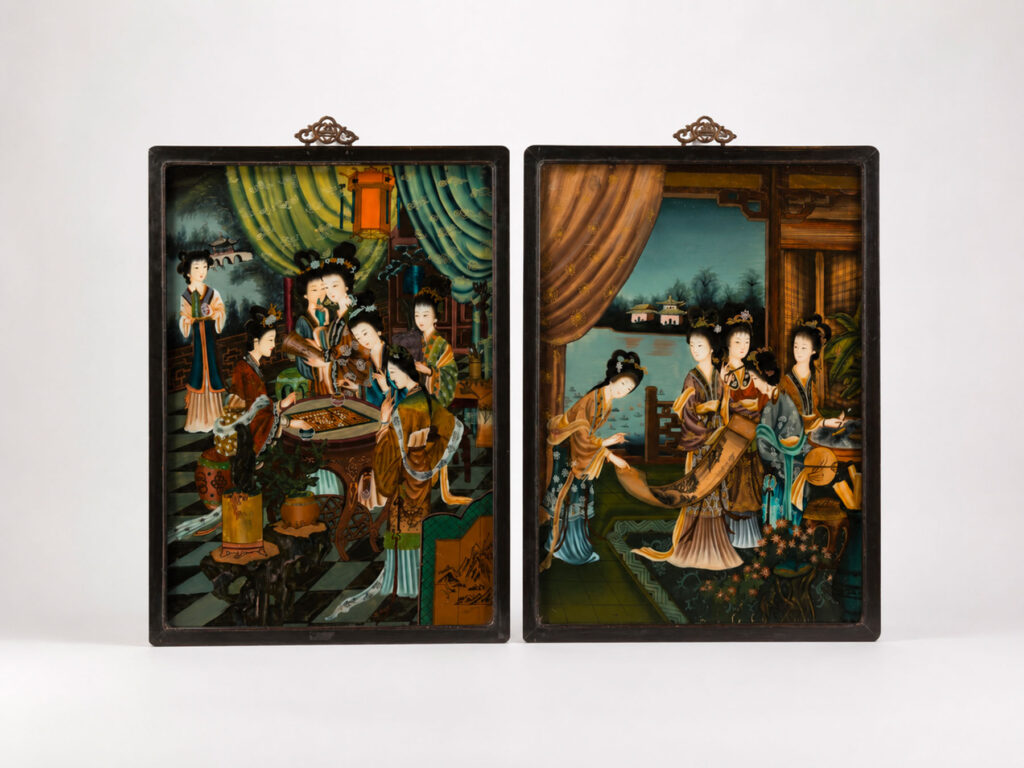
Pair of Chinese Reverse Glass Paintings “The Game” and “Painting”. Hammer price : € 3.813,00
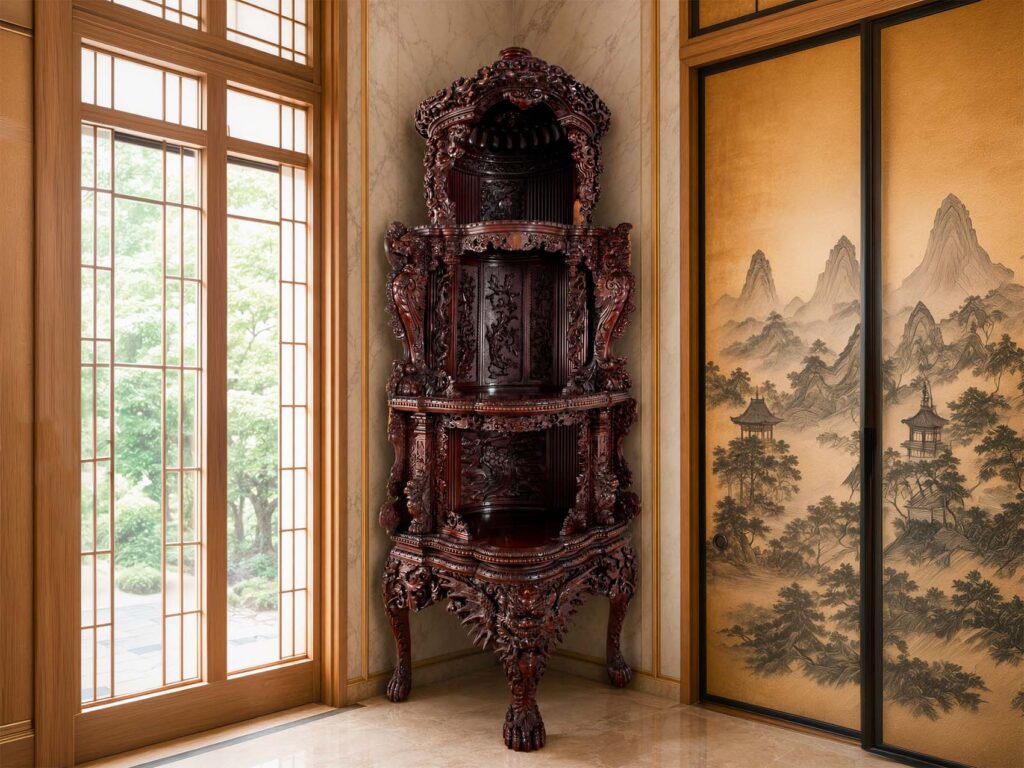
Monumental Japanese Meiji Corner Cabinet. Hammer price : € 3.720,00
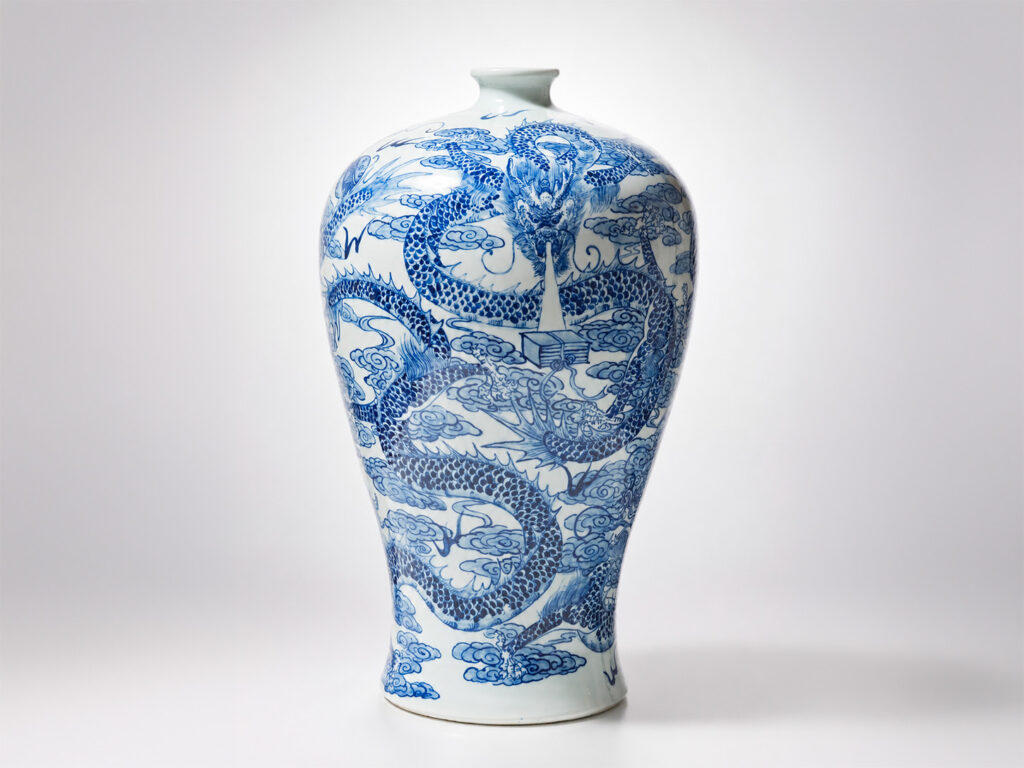
Blue and White Porcelain Vase with Four Celestial Dragons, China, 19th Century. Hammer price : € 3.100,00
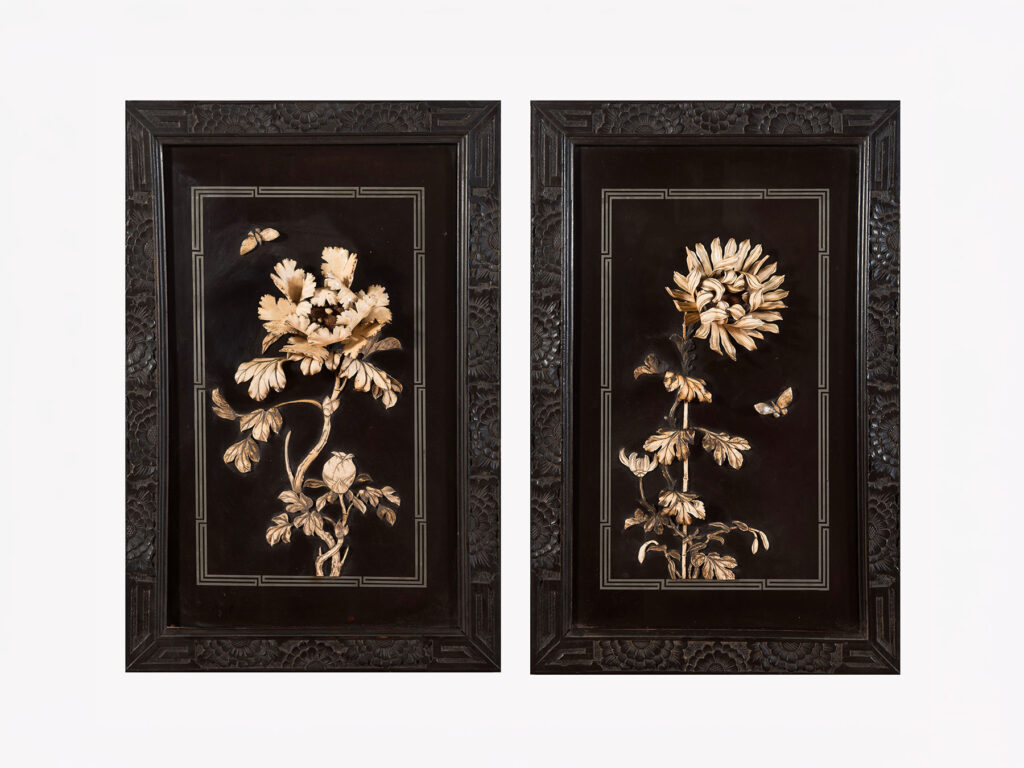
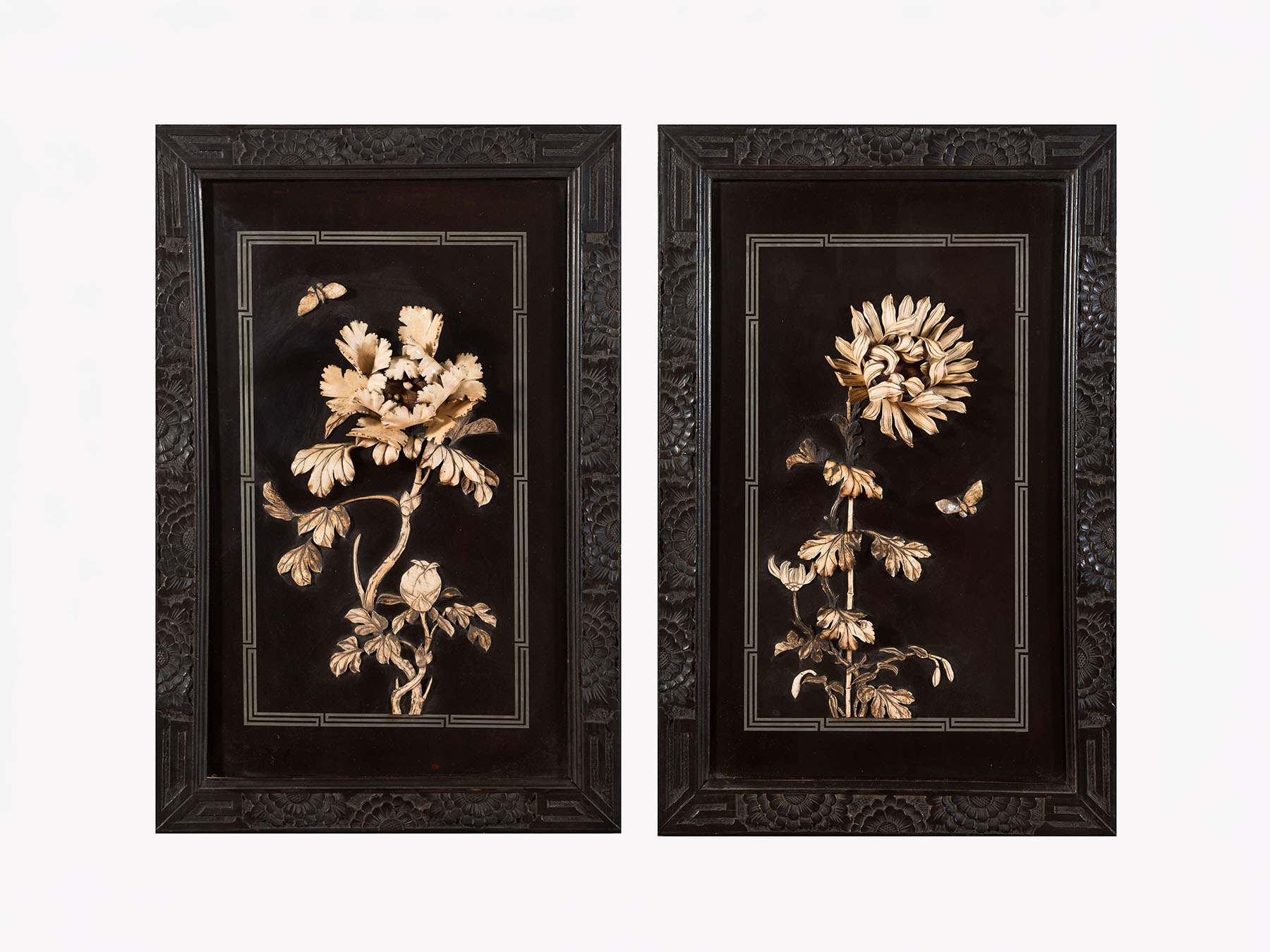
Pair of panels, Japan, 19th century. Hammer price : € 2.880,00
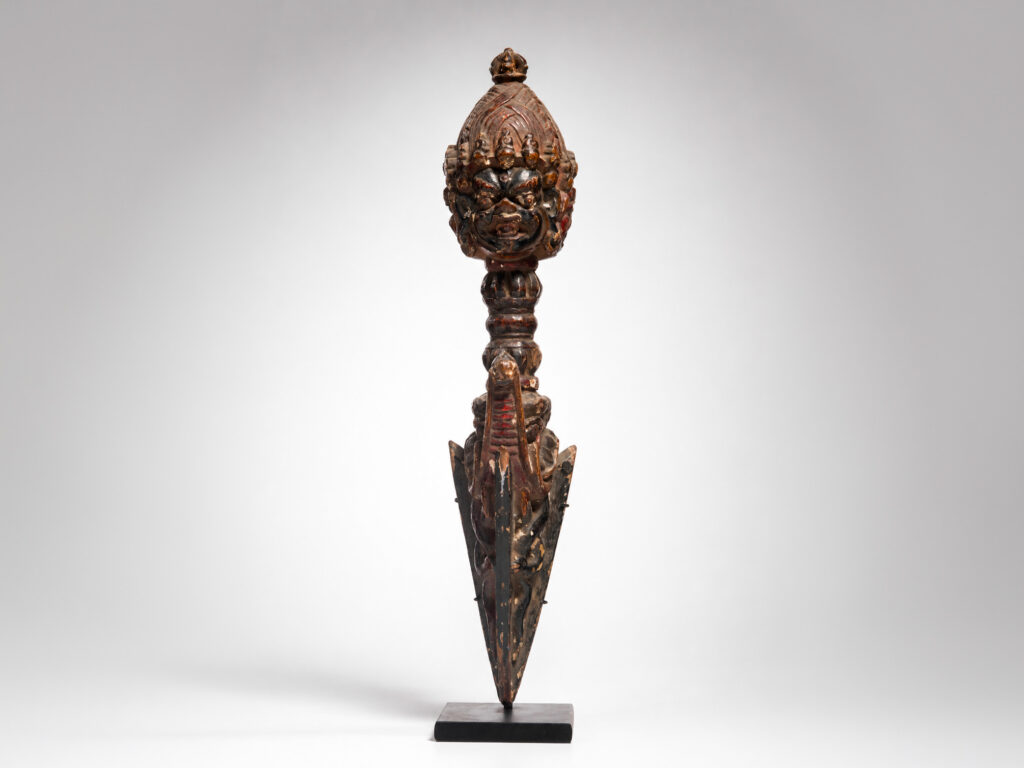
Phurba, Ritual wooden dagger, Nepal. Hammer price : € 2.520,00
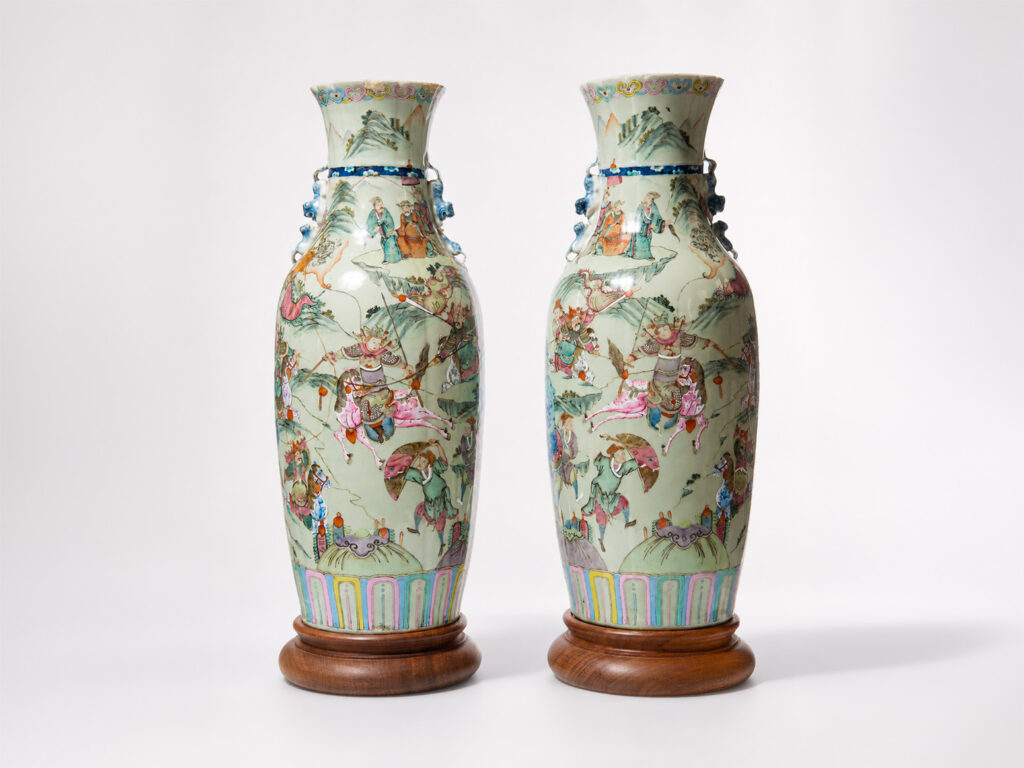
Coriolano Vighi Pair of Porcelain Vases with Chinese Dignitaries. Hammer price : € 2.356,00
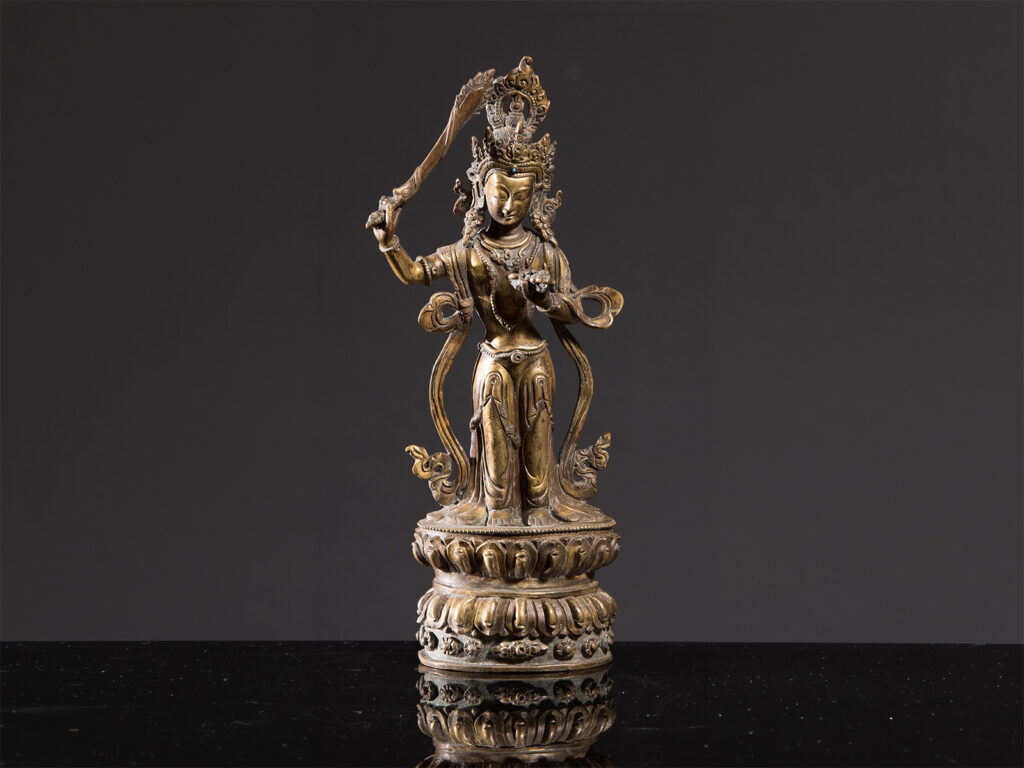
Tibetan Tara Figure in Bronze, Copper and Turquoise. Hammer price : € 2.356,00
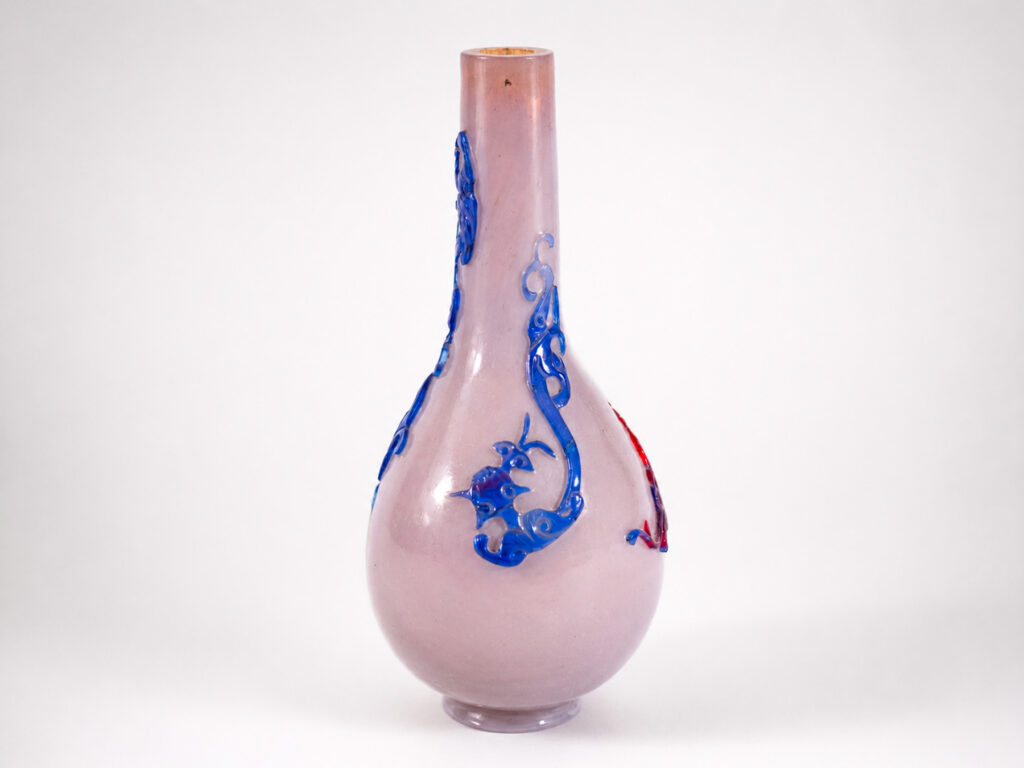
Beijing glass vase in the shape of an amphora. Hammer price : € 2.337,00
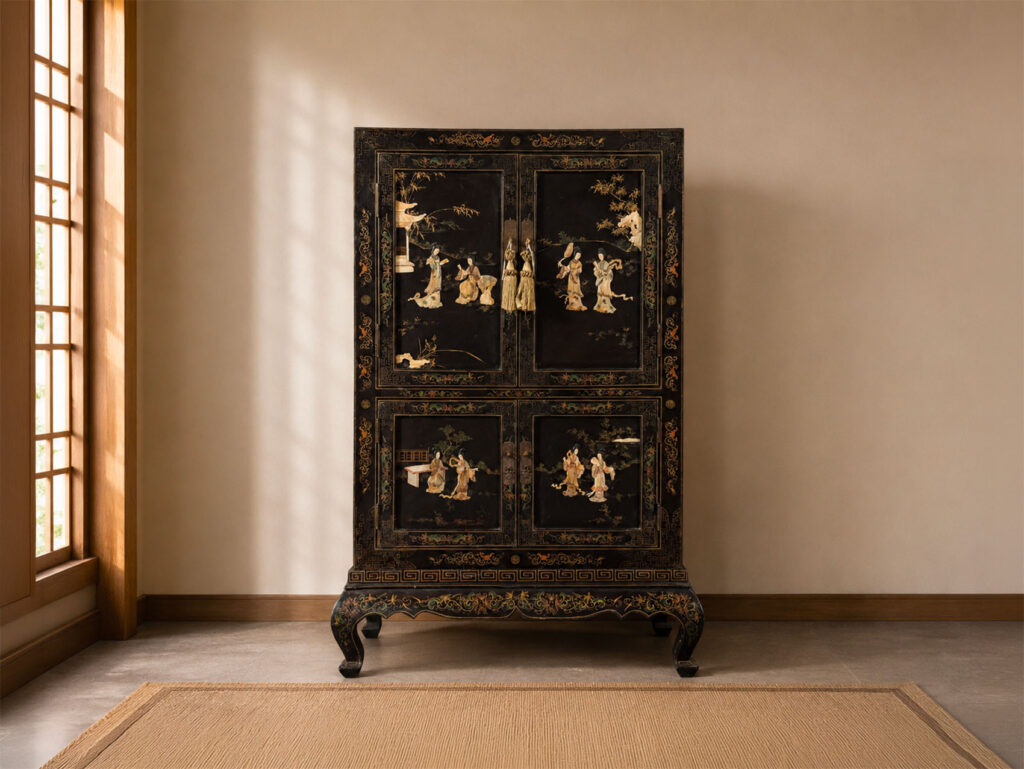
Chinese Black Lacquer Cabinet with Mother-of-Pearl and Ivory. Hammer price : € 2.232,00
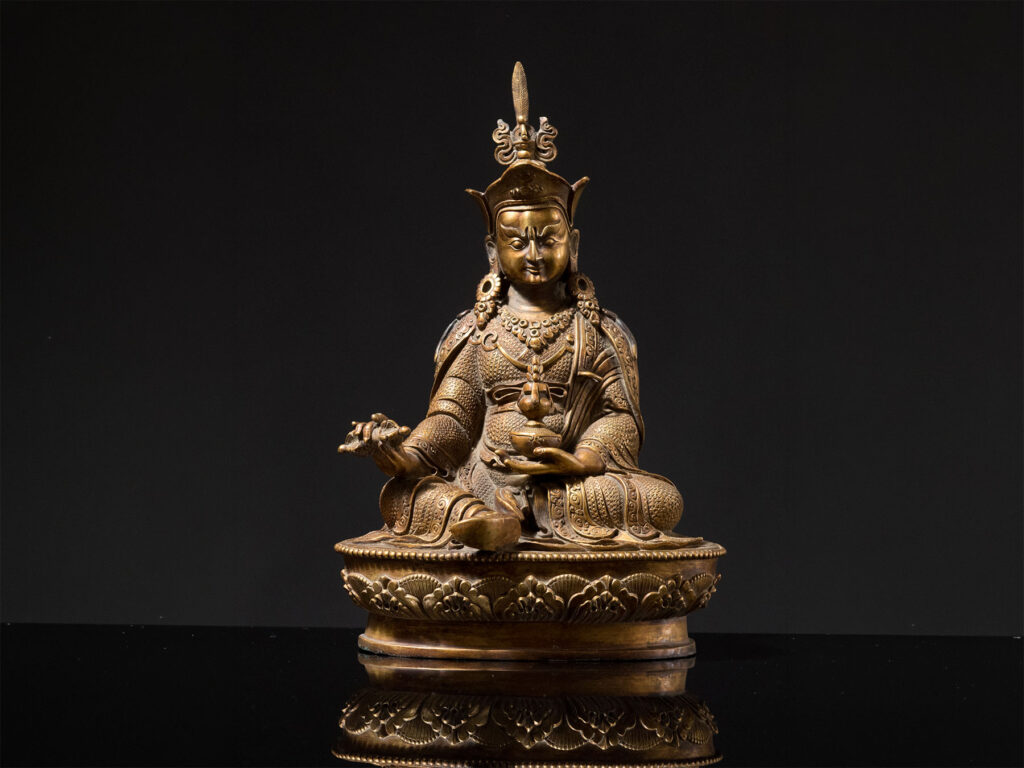
Gilt Bronze Padmasambhava, Tibet, 17th Century. Hammer price : € 2.232,00
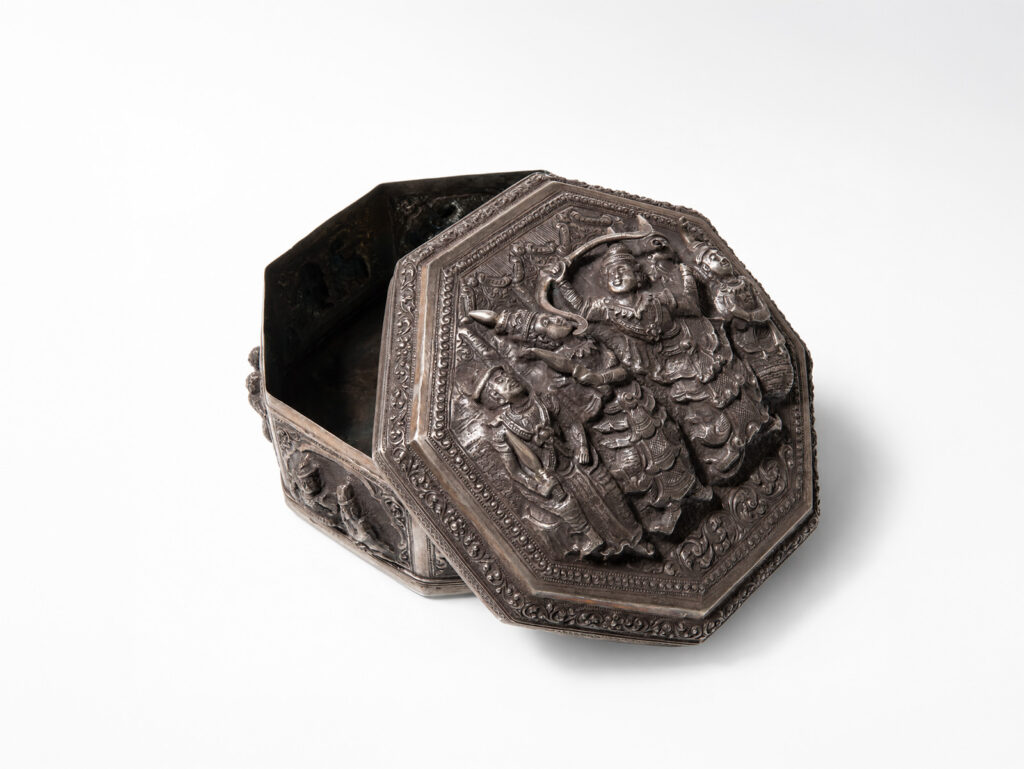
Octagonal Repoussé Silver Box, Burma, 19th Century. Hammer price : € 2.232,00
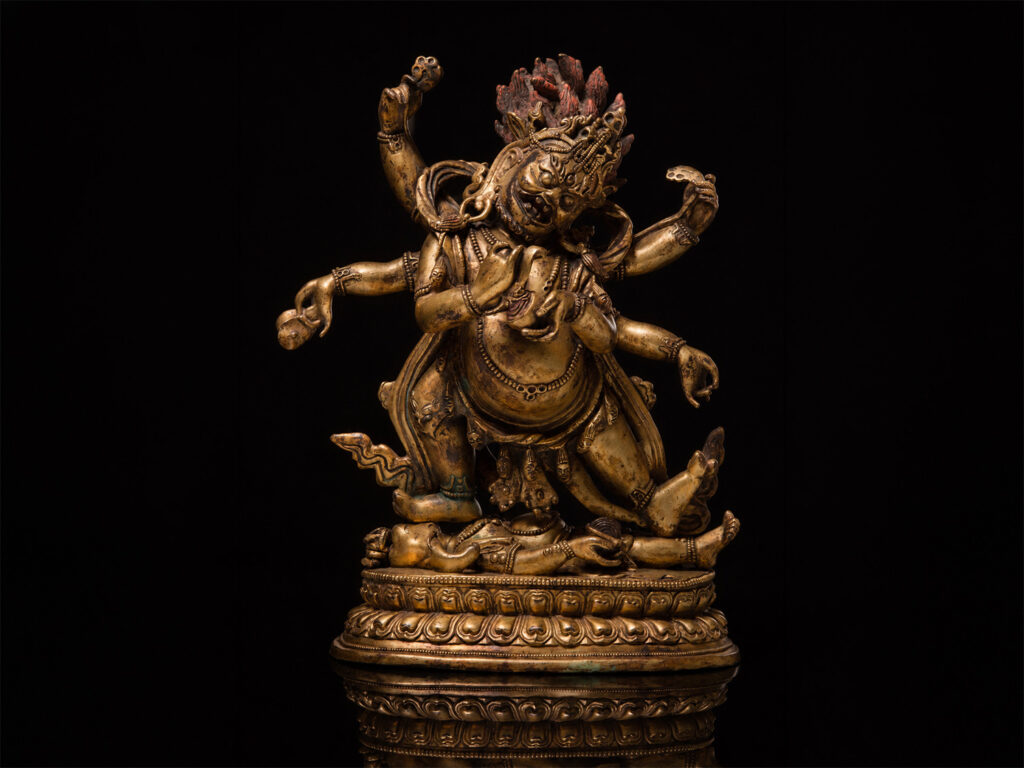
Sadbhuja Mahakala in Gilt Bronze, Tibet, 18th Century. Hammer price : € 2.232,00
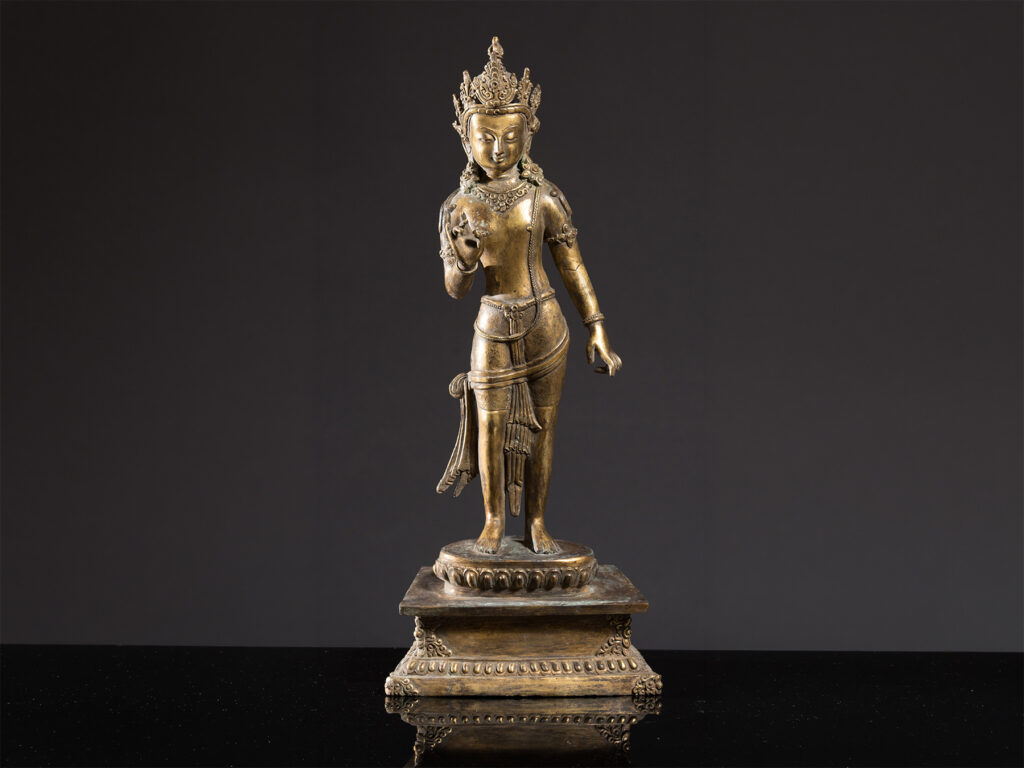
Standing Buddha in Parcel-Gilt Bronze, Tibet, Qing Dynasty. Hammer price : € 2.108,00
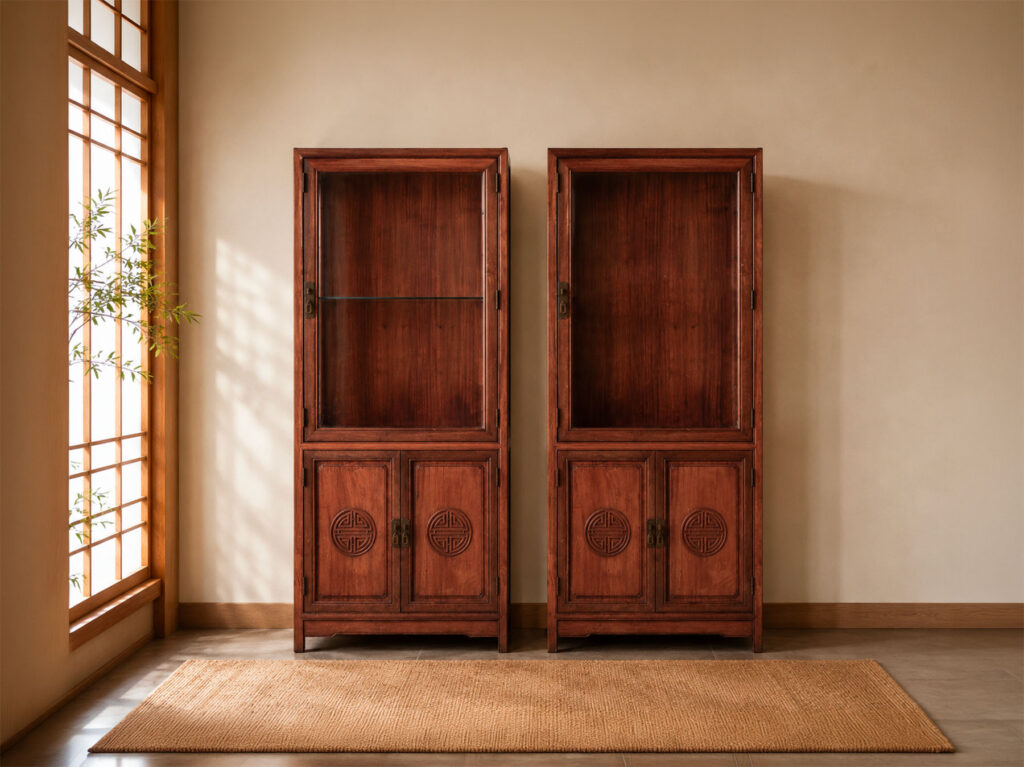
Pair of Chinese Teak Display Cabinets, Late 19th – Early 20th Century. Hammer price : € 1.984,00
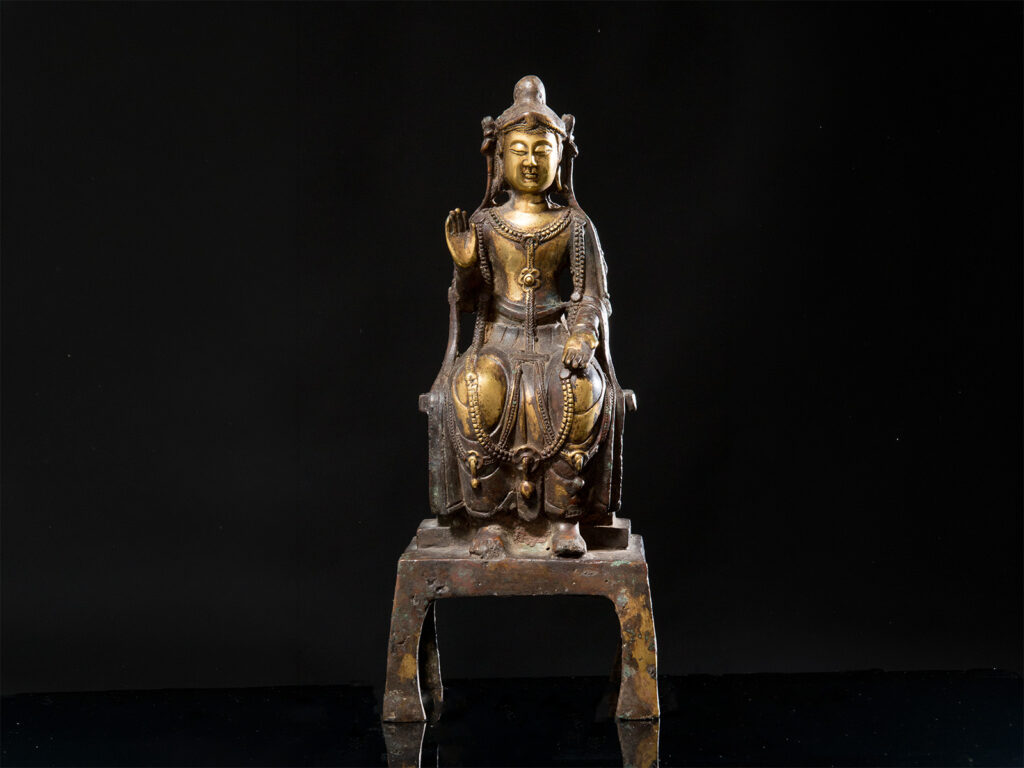
Gilt Bronze Guanyin, Ming Dynasty, 17th Century. Hammer price : € 1.860,00
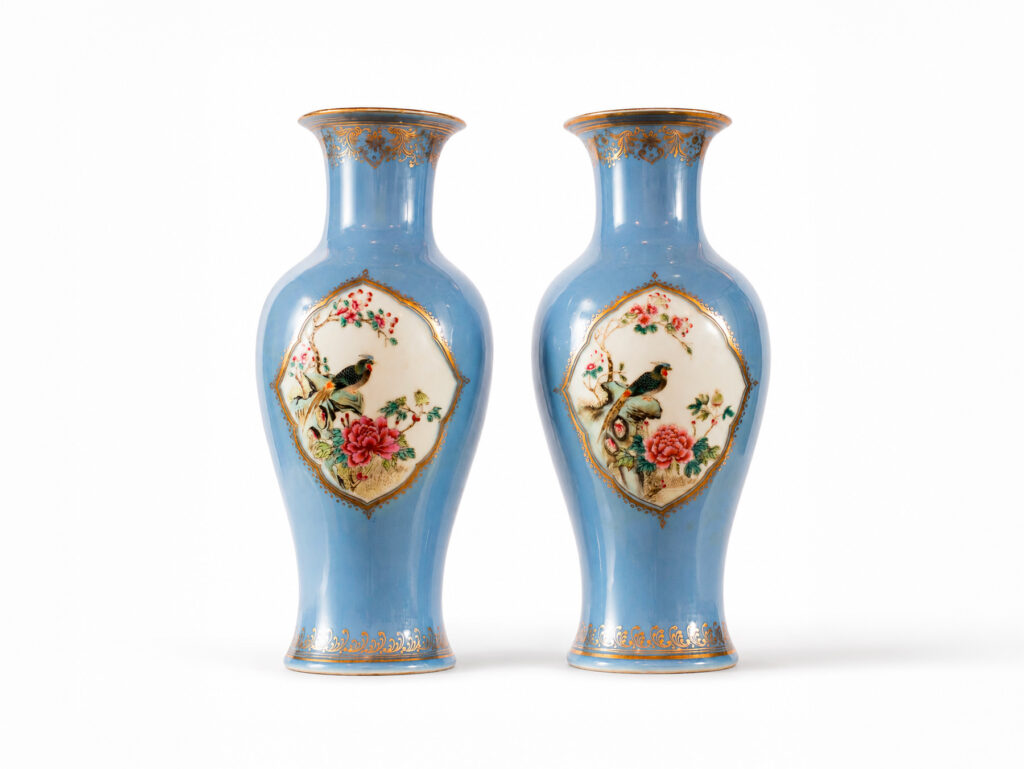
Pair of Chinese Famille Rose Porcelain Vases, Early 20th Century. Hammer price : € 1.845,00
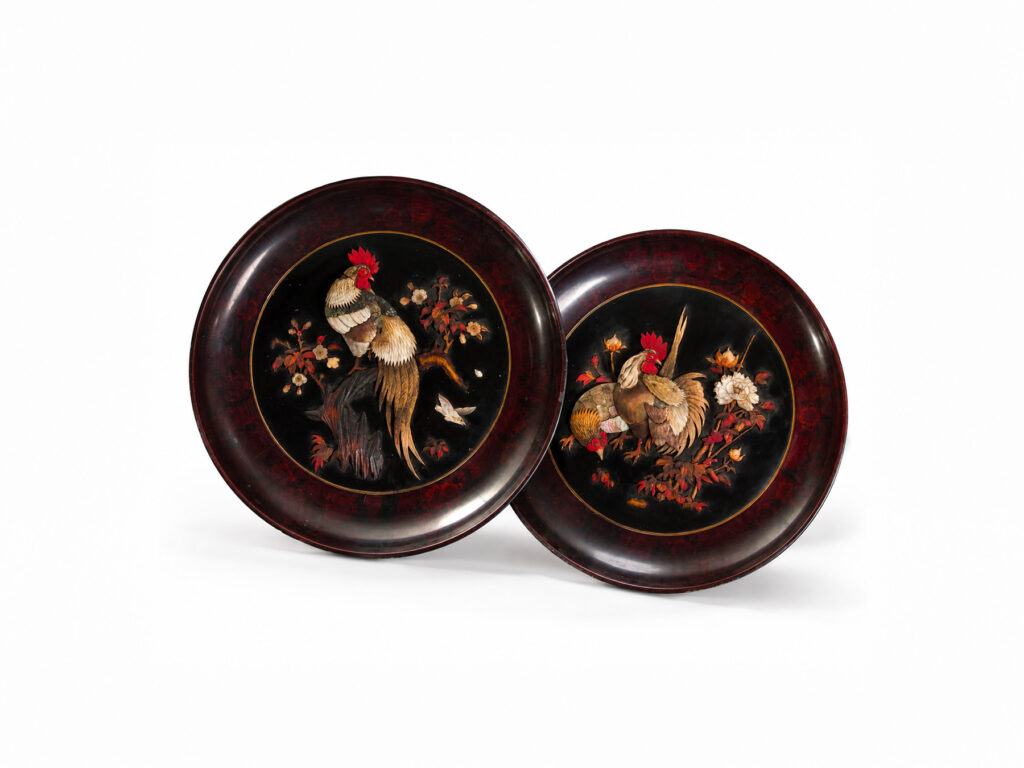
Pair of Japanese Lacquer Wall Plates with Mother-of-Pearl and Ivory. Hammer price : € 1.800,00
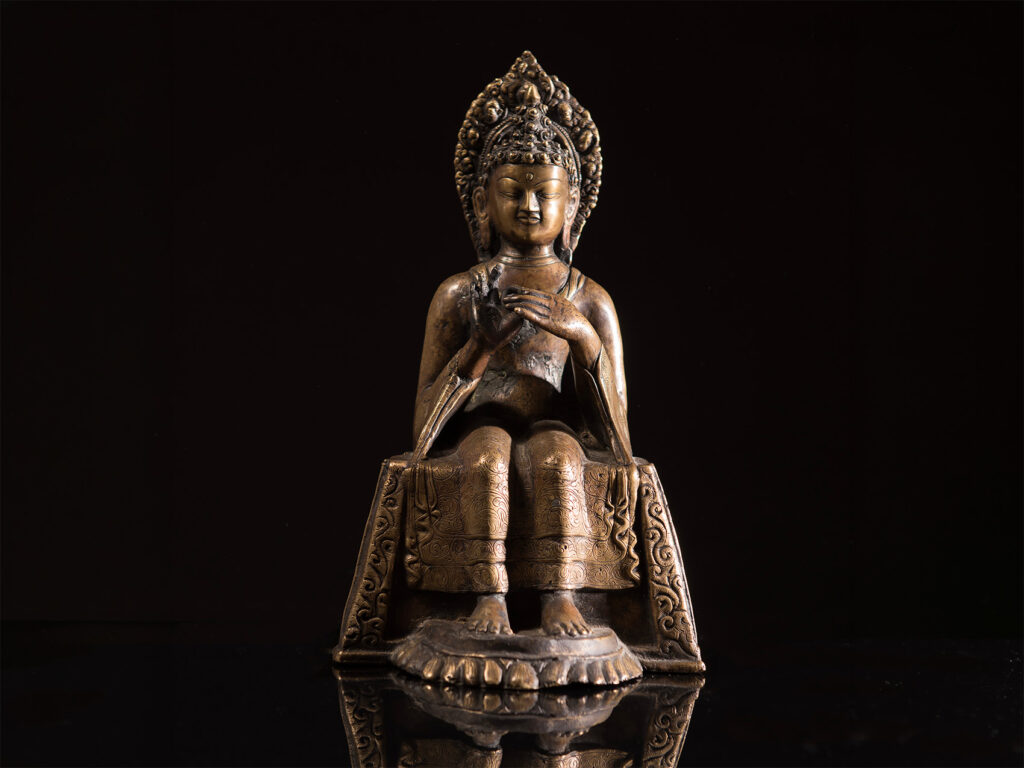
Nepalese Bronze Buddhist Sculpture, 18th Century. Hammer price : € 1.612,00
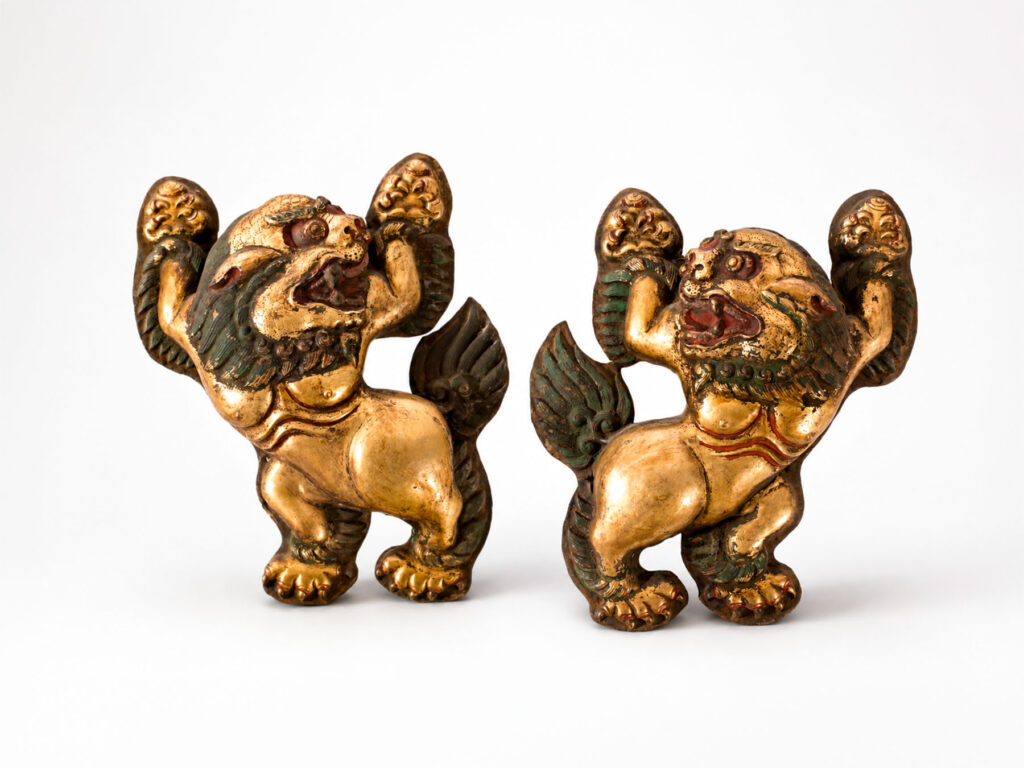
Pair of Gilt Copper Snow Lions, Tibet, Late 19th Century. Hammer price : € 1.230,00
The Asian and Tribal Art Department of Gregory’s Auction House is dedicated to the selection, study and enhancement of works from the principal artistic cultures of Asia and other non-European regions. In particular, this is a steadily growing field, supported by increasingly broad and international collecting interest. Indeed, in recent years the sector has attracted not only Asian buyers, but also a growing number of European and Western collectors.
First of all, the department’s activity is based on careful and qualified work that accompanies each object throughout every stage of the auction process: from the preliminary valuation and art-historical study to cataloguing and presentation on the market. Furthermore, particular attention is devoted to the authenticity, condition and correct contextualisation of the works, with the aim of providing clients with a reliable and transparent service. Finally, the department agrees a reserve price with the owner, defined according to the characteristics of the work and market dynamics, with the aim of protecting its value during the sale.
Likewise, the service provided by Gregory’s Auction House continues after the sale, with dedicated assistance throughout the subsequent stages. In particular, the department supports buyers with the management of documentation, requests for shipping quotations and the organisation of transport, entrusted to a network of operators specialising in works of art, with delivery available worldwide. Furthermore, the service also includes assistance with export procedures, an important aspect for works intended for international circulation.
The department covers a broad range of production, from antiquity to the period of the Republic of China. Furthermore, it includes objects from China, Japan, India, Tibet, Central Asia, Southeast Asia and the Middle East. The catalogues feature porcelain, bronzes, sculptures, objects in jade, ivory, wood and hardstone, as well as glass, enamels and furnishings. Likewise, alongside Far Eastern art, the department also devotes attention to tribal art, with ritual objects and artefacts from the Himalayan, African and Southeast Asian regions.
Within the field of Asian art, particular note should be made of works reflecting the excellence of Chinese craftsmanship from the imperial period to the early twentieth century. For example, these include a seated bronze figure of Guanyin, China, sixteenth century, sold for €4,250, and an important Chinese porcelain incense burner from the Qing dynasty (eighteenth century), sold for €6,820. Overall, these results demonstrate the strong interest in early works.
Furthermore, these are joined by a significant pair of blue-and-white porcelain vases from the Qing period, dating from the early twentieth century and sold for €3,936. Likewise, an elegant Peking glass amphora-shaped vase, dating from the early twentieth century, was sold for more than €2,337.
Alongside the decorative arts, the department has also presented objects of considerable visual impact and high-quality workmanship. In particular, these include a corner cabinet, finely carved and lacquered with figural scenes and naturalistic motifs.
Within the field of tribal art, particular note should also be made of a Nepalese wooden phurba, dating from the late nineteenth to the first half of the twentieth century. Consequently, this result confirms market interest in artefacts connected with the spiritual and ceremonial traditions of the Himalayan region.
Overall, these results confirm the interest in a field that, thanks to its variety and the dialogue between different cultures, now represents a constantly evolving sector.
Finally, over time, the acquisition of works from important collections and private holdings has enabled the auction house to develop a network of collectors active both nationally and internationally. Furthermore, the very nature of the objects handled, connected with different cultures and geographical contexts, encourages the involvement of a broad and international audience. Consequently, this generates dynamic competition at auction, capable of encouraging significant sale results in line with the works’ actual market value.
Evaluation
Would you like to know the value of your artworks and explore their potential sale on the market?
Our experts are available to provide free and confidential valuations, whether for individual works or entire collections.
You will receive qualified advice and be guided through every stage of the sale process, whether at auction or through private negotiation, with a careful and personalised service.
Images and information regarding your artworks can be sent via:
- email or WeTransfer: aste@gregorysaste.it
- WhatsApp: +39 051 2960945
Auction Catalogues
-
Auction 95 | ECLECTIC
Date:
07/07/2026
Catalogue: Click here
https://aste-gregorys.bidinside.com/en/auc/122/auction-95-eclectic/1/
Released Prices: Click here
https://gregorysaste.it/wp-content/uploads/2026/07/AGGIUDICAZIONI-A95-SITO.pdf
-

Auction 75 | BOLOGNESI MANSIONS
Date:
15/10/2025
Catalogue: Click here
https://aste-gregorys.bidinside.com/en/auc/102/auction75-bolognese-dimore-/1/
Released Prices: Click here
https://gregorysaste.it/wp-content/uploads/2024/10/aggiudicazioni-asta-75-bidinside-1.pdf
-

Auction 50 | MANSIONS
Date:
03/03/2022
Catalogue: Click here
https://aste-gregorys.bidinside.com/en/auc/68/auction-50-dimore/1/
Released Prices: Click here
https://gregorysaste.it/wp-content/uploads/2022/03/aggiudicazioni-asta-50.pdf
-

Auction 47 | MANSIONS
Date:
15/08/2021
Catalogue: Click here
https://aste-gregorys.bidinside.com/en/auc/63/auction-47-dimore/1/
Released Prices: Click here
https://gregorysaste.it/wp-content/uploads/2021/10/aggiudicazioni-gregorys-47.pdf
-

Auction 43 | MANSIONS
Date:
29/01/2021
Catalogue: Click here
https://aste-gregorys.bidinside.com/en/auc/57/auction-43/1/
Released Prices: Click here
https://gregorysaste.it/wp-content/uploads/2021/02/Gregorys-43.pdf
-

Auction 40 | MANSIONS
Date:
14/09/2020
Catalogue: Click here
https://aste-gregorys.bidinside.com/en/auc/53/auction-40-dimore-furniture-paintings/1/
Released Prices: Click here
https://gregorysaste.it/wp-content/uploads/2020/11/Gregorys-40.pdf
-

Auction 37 | MANSIONS
Date:
16/04/2020
Catalogue: Click here
https://aste-gregorys.bidinside.com/en/auc/50/auction-37/1/
Released Prices: Click here
https://aste-gregorys.bidinside.com/docs/Aggiudicazioni-Asta-37.pdf
-

Auction 34 | AN EMILIAN MANSION
Date:
04/12/2019
Catalogue: Click here
https://aste-gregorys.bidinside.com/en/auc/47/auction-34/1/
Released Prices: Click here
https://aste-gregorys.bidinside.com/docs/Aggiudicazioni-Asta-34.pdf
Last Top Lots